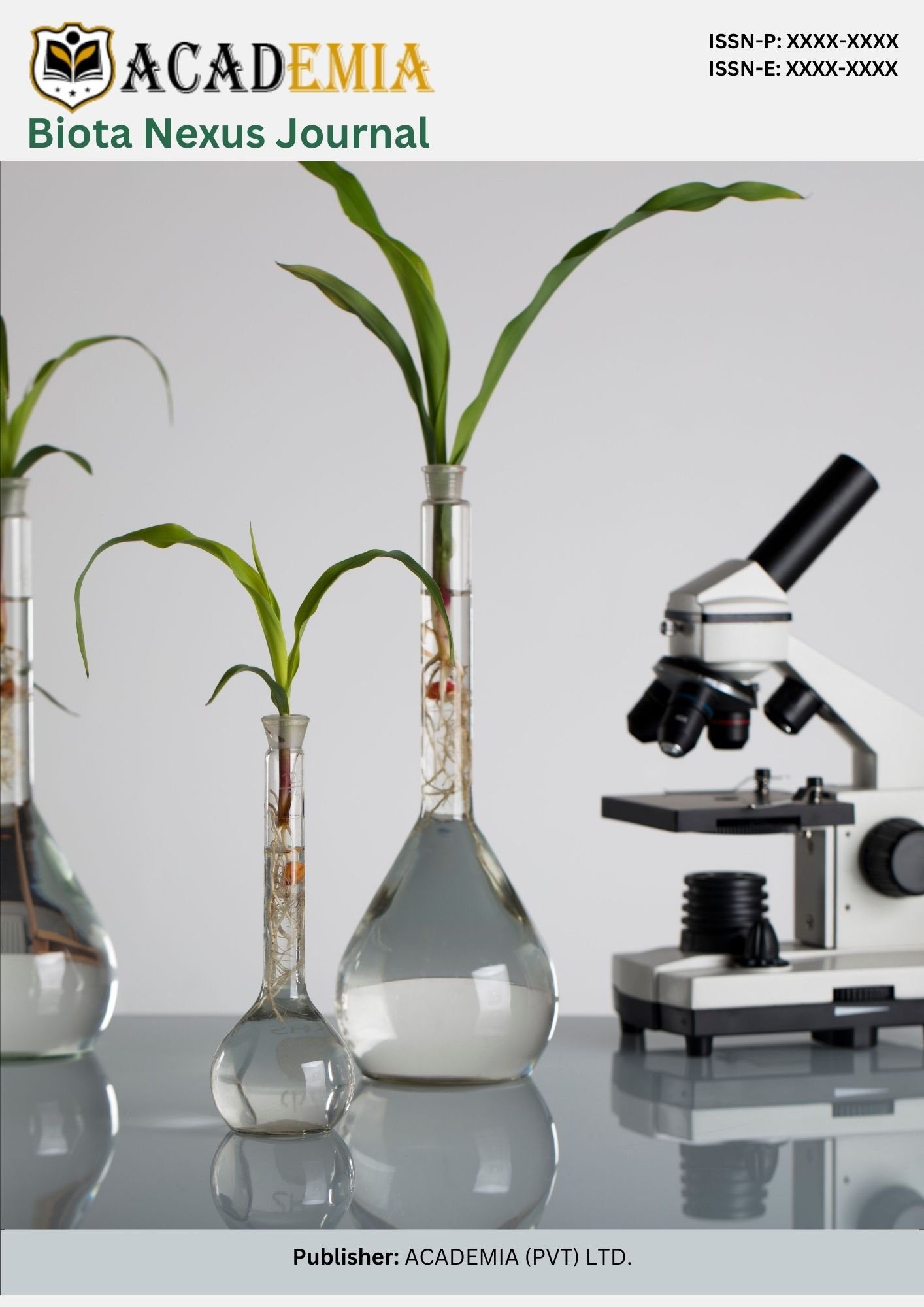
Plant Tissue Culture Techniques for Crop Improvement
DOI:
https://doi.org/10.63056/abnj.1.4.2025.1404Keywords:
Plant tissue culture, Micropropagation, Somatic embryogenesis, Organogenesis, Genetic transformation, Crop improvement, Biotechnology In vitro propagation.Abstract
Plant tissue culture refers to a series of in vitro methods which can be used to grow and reproduce plant cells, tissues, and organs in a controlled laboratory environment. These methods have turned out to be major in contemporary farming, as it offers the means of quick multiplication, genetic enhancement, eradication of diseases and germplasm conservation. In case of plants requiring low seed viability or long reproductive cycles, the use of tissue culture enables the generation of genetically homogeneous and quality plants, which is not always possible with other traditional propagation techniques. The latest developments in plant biotechnology, such as micropropagation, somatic embryogenesis, organogenesis, and protoplast culture have played a major role in crop improvement programs, as they have provided opportunity to introduce desirable traits such as disease resistance, stress tolerance and nutritional quality enhancement. Also, genetic modification is done using tissue culture whereby plant genomes are altered with high precision and where biotic and abiotic stress-resistant genes can be inserted. This paper will examine the existing methods in plant tissue culture and how it is utilized in the enhancement of crops with reference to how this method can be used to improve food security, guarantee sustainable agriculture and add to the crop production in the world. The results highlight the necessity to include tissue culture technologies in the breeding initiatives and create the effective protocols in relation to various crop species.

Downloads
Published
Issue
Section
License
Copyright (c) 2026 Bilal Ahmed Awan (Author)

This work is licensed under a Creative Commons Attribution 4.0 International License.